How to Know If Wisdom Tooth Is Impacted: 2026 Guide
Introduction
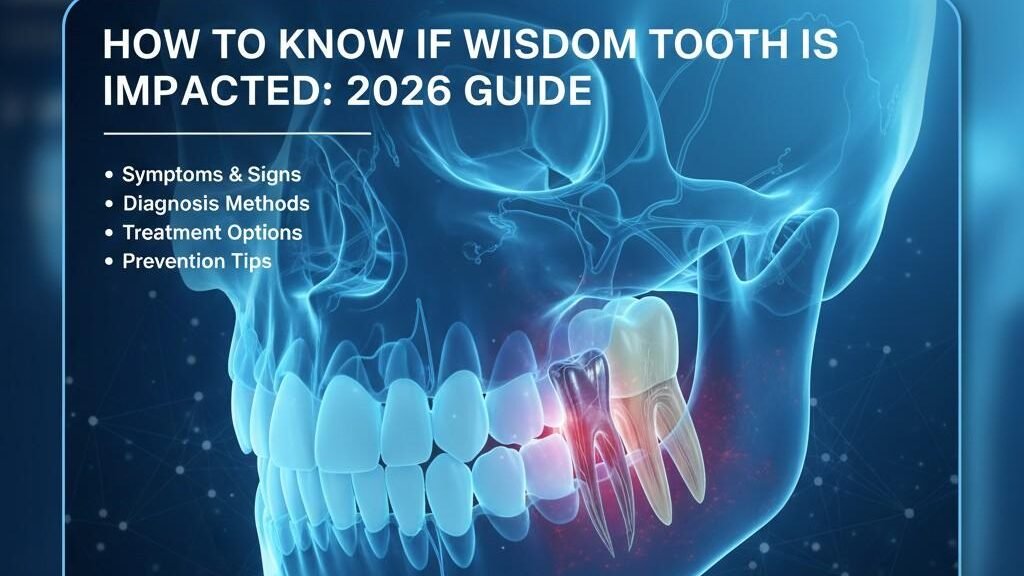
If you’re feeling pressure in the back of your jaw or dealing with unexplained gum swelling, you may be wondering how to know if wisdom tooth is impacted before it turns into a painful emergency.
An impacted wisdom tooth happens when there isn’t enough space in your jaw for the tooth to erupt normally. Instead of coming in straight, it may grow sideways, remain trapped under the gum, or only partially break through. This condition affects millions of adults in the United States, especially between ages 17 and 30.
Understanding early warning signs can help you avoid infection, cyst formation, or damage to nearby teeth. In this expert 2026 guide, you’ll learn how to identify symptoms, what dentists look for on X-rays, and when removal is necessary.
What Does “Impacted” Really Mean?
A wisdom tooth is considered impacted when it cannot fully erupt into proper position due to:
- Lack of space in the jaw
- Obstruction by another tooth
- Abnormal growth angle
- Thick gum or bone covering
According to the American Dental Association, impacted third molars are one of the most common oral surgery cases in young adults.
Types of Impacted Wisdom Teeth
Not all impactions are the same. Understanding the type helps clarify how to know if wisdom tooth is impacted.
1. Horizontal Impaction
The tooth grows sideways toward the second molar.
2. Vertical Impaction
The tooth is upright but trapped under the gum.
3. Mesial Impaction
The tooth tilts forward toward the adjacent tooth (most common type).
4. Distal Impaction
The tooth tilts backward toward the jawbone.
Each type may cause different symptoms and risks.
Early Signs: How to Know If Wisdom Tooth Is Impacted
Some impacted wisdom teeth cause no immediate pain. However, several subtle signs may appear.
1. Jaw Pressure or Tightness
A dull pressure sensation at the back of your mouth is often the first clue.
2. Gum Swelling Behind Last Molar
You may notice:
- Red or tender gum tissue
- Puffiness in the back corner
- Bleeding when brushing
3. Difficulty Opening Your Mouth
Limited jaw movement can occur if inflammation develops.
4. Food Getting Stuck Frequently
Impacted teeth create tight pockets that trap debris.
5. Headaches or Ear Pain
Pressure from a trapped tooth can radiate discomfort.
If symptoms persist longer than a few days, it’s time for evaluation.
Clear Warning Signs of a Problematic Impaction
Here’s how to know if wisdom tooth is impacted and becoming dangerous:
- Persistent throbbing pain
- Swelling in the cheek or jawline
- Bad taste or odor (possible infection)
- Shifting of nearby teeth
- Pain when chewing
If you develop fever or severe swelling, seek urgent dental care.
The Mayo Clinic notes that untreated impacted teeth can lead to infection or cyst formation.
How Dentists Confirm an Impacted Tooth
You cannot always see impaction visually. Dentists rely on imaging.
Dental X-Rays
Panoramic X-rays show:
- Tooth angle
- Bone coverage
- Proximity to nerves
- Root development
X-rays provide the most accurate way to determine how to know if wisdom tooth is impacted below the gum line.
Clinical Examination
Your dentist checks for:
- Swelling
- Gum flap coverage
- Tenderness
- Bite alignment
Impacted vs. Normal Wisdom Tooth Eruption
| Feature | Normal Eruption | Impacted Tooth |
|---|---|---|
| Pain | Mild, temporary | Persistent or pressure-like |
| Position | Straight alignment | Angled or trapped |
| Swelling | Minimal | Recurrent |
| X-ray | Clear eruption path | Blocked or tilted |
This comparison helps distinguish routine eruption from impaction.
Complications of Impacted Wisdom Teeth
Ignoring the problem can lead to:
1. Pericoronitis
Infection under gum flap.
2. Tooth Decay
Impacted teeth are hard to clean.
3. Gum Disease
Bacteria accumulate in tight spaces.
4. Cysts
Fluid-filled sacs that damage bone.
5. Damage to Adjacent Teeth
Pressure may weaken neighboring molars.
Understanding how to know if wisdom tooth is impacted early prevents these complications.
Treatment Options in the United States
Monitoring (Watchful Waiting)
If asymptomatic, dentists may monitor with periodic X-rays.
Antibiotics
Used if infection develops.
Surgical Extraction
Most common treatment for symptomatic impaction.
In the U.S., costs typically range:
- $250–$600 per tooth (simple)
- $600–$1,000+ (surgical/complex)
Insurance coverage varies.
When Removal Is Recommended
Dentists often suggest removal if:
- Pain is recurring
- Infection develops
- Tooth damages nearby molars
- Cysts are forming
- Orthodontic treatment is affected
The Centers for Disease Control and Prevention emphasizes preventive dental evaluations to reduce complications.
At-Home Care Before Seeing a Dentist
If you suspect impaction:
- Rinse with warm saltwater
- Brush gently behind molars
- Avoid chewing hard foods
- Use over-the-counter pain relievers
These steps reduce irritation but do not correct impaction.
Internal Link Suggestions
- “Signs You Need Wisdom Tooth Removal”
- “How to Prevent Wisdom Tooth Infection”
- “What Is Pericoronitis?”
Frequently Asked Questions (FAQs)
1. Can you have an impacted wisdom tooth without pain?
Yes. Many impacted teeth are asymptomatic and only detected on X-rays.
2. At what age do wisdom teeth become impacted?
Most impactions are identified between ages 17 and 25.
3. Is removal always necessary?
Not always. If the tooth causes no issues, your dentist may monitor it.
4. How long does recovery take after removal?
Most people recover within 7–10 days.
5. Can impacted wisdom teeth cause headaches?
Yes, pressure from impaction can radiate pain to the head and ears.
Conclusion
Understanding how to know if wisdom tooth is impacted helps you take early action before serious complications develop. Watch for jaw pressure, swelling, difficulty chewing, and recurring discomfort. While some impacted teeth remain harmless, others can lead to infection, cysts, or damage to nearby teeth.
If you notice persistent symptoms, schedule a dental evaluation for proper imaging and guidance. Early diagnosis ensures safer treatment and protects your long-term oral health.