Kill Tooth Pain in Nerve 3 Seconds Permanently – Expert Guide
Key Takeaways
- Tooth nerve pain usually happens when the pulp inside the tooth becomes inflamed or infected.
- Some remedies can calm the nerve quickly, but permanent relief often requires dental treatment.
- Cold compress, numbing gels, and anti-inflammatory medication may reduce pain within seconds.
- Persistent nerve pain often signals cavities, cracks, or infection.
- Early dental care prevents serious complications like abscesses or tooth loss.
Introduction
Tooth nerve pain is one of the most intense types of dental discomfort. The sharp, throbbing sensation can appear suddenly and make eating, drinking, or even speaking difficult. Many people search online for ways to kill tooth pain in nerve 3 seconds permanently, hoping for instant and lasting relief.
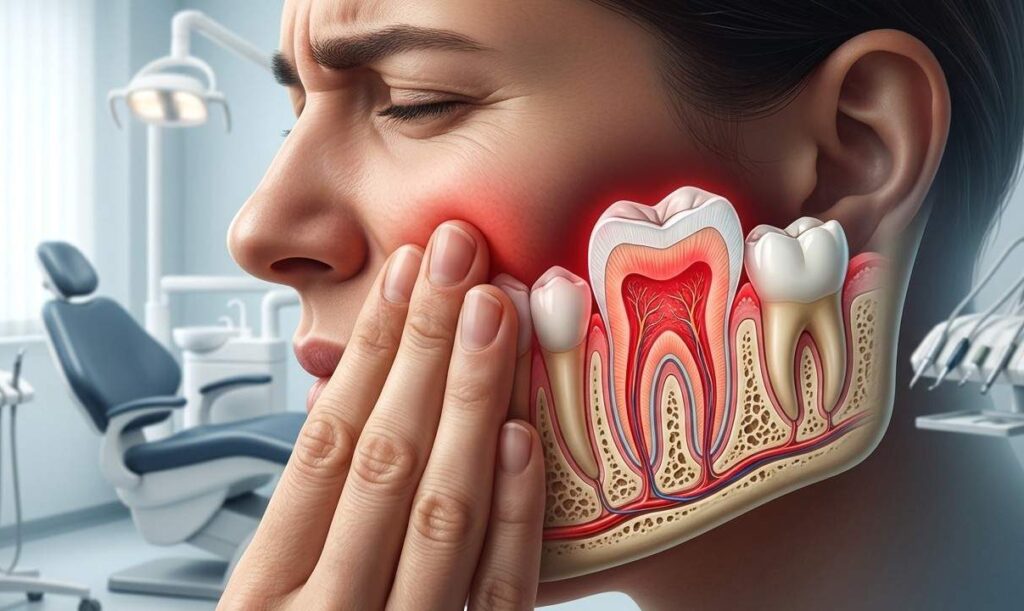
The pain usually comes from irritation or infection inside the tooth pulp, where the nerve and blood vessels are located. When this area becomes inflamed, even small triggers such as cold drinks or pressure from chewing can cause severe pain.
In clinical practice, dentists often see patients who tried quick home remedies first. While some methods can calm nerve pain rapidly, they rarely solve the root cause. Understanding what triggers tooth nerve pain—and how to manage it safely—can help you reduce discomfort quickly and prevent more serious dental problems.
What Causes Tooth Nerve Pain?
Tooth nerve pain typically occurs when the protective layers of the tooth are damaged, exposing the sensitive pulp.
Common causes include:
- Deep tooth decay reaching the inner pulp
- Cracked or fractured teeth
- Loose or damaged fillings
- Gum infection or periodontal disease
- Severe enamel erosion
- Teeth grinding (bruxism)
Dentists commonly observe that untreated cavities are the leading cause. As bacteria move deeper into the tooth, they irritate the nerve, causing sudden and severe pain.
Can You Kill Tooth Pain in Nerve 3 Seconds Permanently?
Many remedies promise instant relief, but it is important to understand the difference between temporary relief and permanent treatment.
Some methods may reduce pain within seconds by numbing the nerve or lowering inflammation, but permanent relief usually requires fixing the underlying dental problem.
Quick Relief Methods
These options may calm nerve pain rapidly:
1. Topical Numbing Gel
Dental gels containing benzocaine can temporarily numb exposed nerve endings.
2. Cold Compress
Applying a cold pack to the cheek reduces inflammation and slows nerve signals.
3. Saltwater Rinse
Warm saltwater helps reduce bacteria and soothe inflamed tissues.
4. Anti-Inflammatory Medicine
Ibuprofen can help reduce swelling around the tooth nerve.
These approaches may provide quick comfort, but they do not eliminate infection or structural damage.
Symptoms That Indicate Tooth Nerve Damage
Tooth nerve pain often appears with other warning signs.
Patients commonly report:
- Sharp pain when biting or chewing
- Sensitivity to hot or cold foods
- Persistent throbbing pain
- Swelling around the tooth
- Gum tenderness
- Bad taste or odor in the mouth
If these symptoms last more than a day or two, dental evaluation is recommended.
Professional Treatment Options
When home remedies do not resolve the issue, dentists focus on treating the root cause of the nerve pain.
| Treatment | When It Is Recommended | Purpose |
|---|---|---|
| Dental Filling | Early tooth decay | Restores damaged enamel |
| Root Canal Therapy | Infected tooth pulp | Removes infected nerve tissue |
| Dental Crown | Cracked or weakened tooth | Protects remaining tooth structure |
| Tooth Extraction | Severe infection or damage | Prevents spread of infection |
In clinical practice, root canal therapy is the most common treatment when nerve infection causes severe pain.
When to See a Dentist
You should seek professional dental care if you experience:
- Severe tooth pain lasting longer than 48 hours
- Swelling in the gums or face
- Fever with tooth pain
- Pus or drainage near the tooth
- Difficulty opening your mouth
These symptoms may indicate an infection that requires urgent treatment.
Risks of Ignoring Tooth Nerve Pain
Untreated nerve pain can lead to serious oral health problems.
Potential complications include:
- Dental abscess
- Jawbone infection
- Spread of bacteria to nearby tissues
- Chronic pain
- Tooth loss
Dentists often emphasize that early treatment prevents more complicated and costly procedures later.
Prevention Tips
Preventing dental problems is the best way to avoid severe nerve pain.
Helpful habits include:
- Brushing twice daily with fluoride toothpaste
- Flossing every day
- Limiting sugary snacks and drinks
- Wearing a night guard if you grind your teeth
- Visiting the dentist regularly for checkups
Early detection of cavities or cracks can protect the tooth nerve and prevent pain.
FAQ Section
Can tooth nerve pain stop on its own?
Sometimes mild sensitivity improves if the irritation is temporary. However, persistent nerve pain often indicates decay, infection, or tooth damage. If pain continues for more than a couple of days, a dental examination is recommended to prevent worsening problems.
What is the fastest way to stop tooth nerve pain?
Fast relief may come from topical numbing gels, cold compresses, and anti-inflammatory medications. These methods reduce inflammation and nerve sensitivity quickly. However, they provide temporary relief and do not cure underlying dental disease.
Does salt water help tooth nerve pain?
Saltwater rinses can reduce bacteria and soothe irritated gums. While they may decrease inflammation around the tooth, they cannot treat deep infections or nerve damage inside the tooth.
Do I always need a root canal for nerve pain?
Not always. If the nerve irritation is mild, a dental filling or protective crown may resolve the issue. Root canal treatment is usually recommended when the pulp becomes infected or severely inflamed.
Why does tooth nerve pain get worse at night?
Many patients notice stronger pain at night because lying down increases blood flow to the head. This extra pressure around inflamed tissues can intensify nerve pain and make the discomfort more noticeable.
Conclusion
Severe tooth nerve pain can feel overwhelming, and many people search for ways to kill tooth pain in nerve 3 seconds permanently. While certain remedies can reduce pain quickly, permanent relief usually requires identifying and treating the underlying dental problem.
Quick methods such as numbing gels, cold compresses, or anti-inflammatory medication may calm the nerve temporarily. However, persistent pain often indicates deeper issues like cavities, infections, or tooth damage.
Seeking timely dental care is the safest approach. Dentists can diagnose the cause of nerve pain and provide effective treatments that restore comfort and protect long-term oral health.
Maintaining good oral hygiene and regular dental visits remains the most reliable way to prevent future tooth nerve pain.
Internal Link Suggestions
- how to stop tooth nerve pain
- signs you need a root canal
- tooth infection symptoms guide
External Reference Suggestions
- American Dental Association (ADA) oral health resources
- CDC Oral Health information page