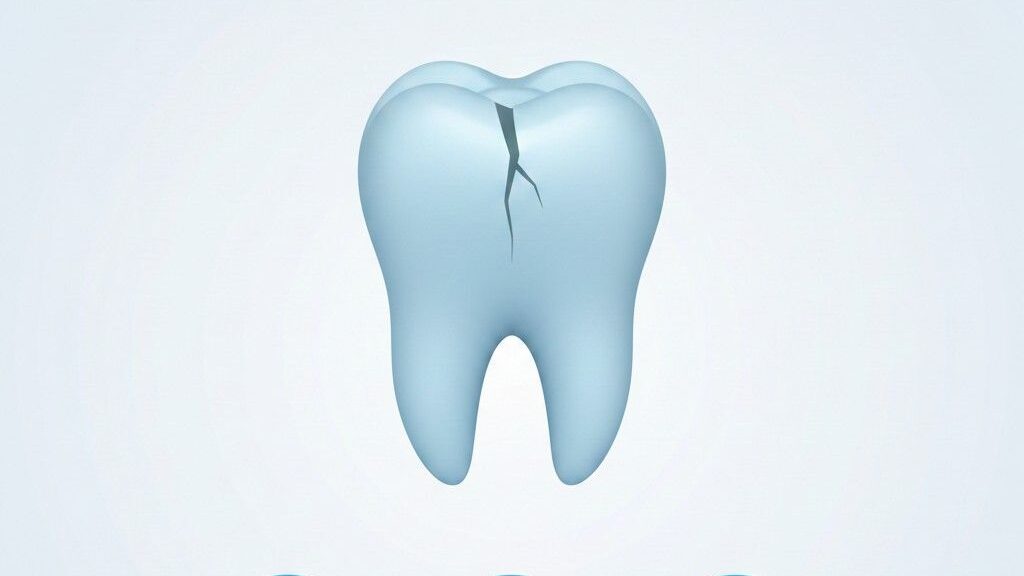
Baby Tooth Cracked in Half No Pain: Expert Guide
Seeing your child’s tooth split can be alarming. If your baby tooth cracked in half no pain, you may feel confused about whether it’s an emergency or something that can wait. The good news? In many cases, a painless crack in a baby tooth is not immediately dangerous — but it still needs professional evaluation.
As a parent in the U.S., understanding why this happens and what steps to take can prevent complications. Baby teeth (primary teeth) play a critical role in speech development, nutrition, and guiding permanent teeth into place. Ignoring a cracked tooth — even without pain — can sometimes lead to infection or alignment issues later.
This expert guide explains causes, warning signs, treatment options, and when to call your dentist.
Why Would a Baby Tooth Crack Without Pain?
When a baby tooth cracked in half no pain occurs, parents often assume it’s minor. While it can be mild, several underlying reasons may explain the situation.
1. Natural Root Resorption
Before a baby tooth falls out, its root dissolves naturally. This process is called resorption. As the root weakens, the crown can split or crumble — sometimes without discomfort.
According to the American Dental Association, baby teeth begin loosening several months before they fall out.
2. Hidden Decay
Cavities weaken enamel from the inside. A tooth may appear stable but break suddenly while eating. If the nerve isn’t exposed, there may be no pain.
3. Minor Trauma
Children frequently bump their mouths during play. A previous injury may weaken the tooth structure, causing it to split later.
4. Grinding (Bruxism)
Nighttime grinding puts pressure on teeth. Over time, this stress can cause cracking — sometimes without immediate symptoms.
Is It an Emergency If There’s No Pain?
A baby tooth cracked in half no pain situation is not always a same-day emergency, but it should be evaluated within a few days.
Call the dentist urgently if you notice:
- Swelling of gums or face
- Bleeding that won’t stop
- Sharp tooth edges cutting the tongue
- Signs of infection (fever, bad smell)
The American Academy of Pediatric Dentistry recommends that any fractured primary tooth be assessed to protect the developing permanent tooth underneath.
What Happens Inside the Tooth?
Understanding tooth structure helps explain why pain may be absent.
| Tooth Layer | Function | Pain Likelihood |
|---|---|---|
| Enamel | Hard outer layer | No pain |
| Dentin | Sensitive middle layer | Mild sensitivity |
| Pulp | Contains nerves & blood vessels | Painful if exposed |
If the crack only involves enamel or dentin, your child may feel nothing.
What Should Parents Do Immediately?
If your baby tooth cracked in half no pain:
- Stay calm — avoid alarming your child.
- Rinse their mouth gently with warm water.
- Check for loose fragments.
- Avoid giving hard or sticky foods.
- Schedule a dental visit within 24–72 hours.
Do not attempt to glue or fix the tooth at home.
How Dentists Treat a Cracked Baby Tooth
Treatment depends on severity.
Minor Crack
- Smoothing sharp edges
- Monitoring until natural fall-out
Moderate Break
- Tooth-colored filling
- Pediatric dental crown
Severe Split (Root Involved)
- Extraction may be necessary
Dentists carefully protect the permanent tooth bud beneath the baby tooth.
Could It Affect Permanent Teeth?
Yes — but not always.
If infection develops, it can damage the developing adult tooth. That’s why evaluation matters, even when there is no discomfort.
However, if the tooth is near natural shedding age (usually 6–12 years), it may simply fall out earlier than expected.
Signs the Tooth May Become a Problem Later
Even if your baby tooth cracked in half no pain initially, watch for:
- Gum swelling
- Color change (gray or dark)
- Sensitivity to hot/cold
- Pus or abscess
The Centers for Disease Control and Prevention notes that untreated dental infections can impact overall health in children.
How to Prevent Future Cracks
Prevention reduces risk significantly.
Daily Habits
- Brush twice daily with fluoride toothpaste
- Floss once daily
- Avoid chewing ice or hard candy
Protective Measures
- Use mouthguards during sports
- Address teeth grinding early
Regular Dental Visits
Routine checkups every six months allow early detection of weakened enamel.
When Baby Teeth Normally Fall Out
Most children lose their first tooth around age 6. The last baby molars typically fall out between 10–12 years old.
If a cracked tooth is close to its natural shedding time, your dentist may simply monitor it.
Frequently Asked Questions (FAQ)
1. Can a cracked baby tooth heal on its own?
No. Enamel does not regenerate. Minor cracks may remain stable, but they do not “heal.”
2. Should I remove the loose half myself?
No. Pulling it out could damage the root or surrounding tissue.
3. Why isn’t my child in pain?
If the nerve is not exposed, a baby tooth cracked in half no pain is possible.
4. Will the permanent tooth grow in normally?
In most cases, yes — especially if no infection develops.
5. How much does treatment cost in the U.S.?
Costs vary. Simple smoothing may cost under $150, while crowns or extractions range higher depending on insurance.
Internal Link Suggestions
- “How to know if a wisdom tooth is infected”
- “Signs of tooth infection spreading”
- “When to pull a tooth in kids”
External Reference Suggestions
- American Dental Association
- American Academy of Pediatric Dentistry
Conclusion
A baby tooth cracked in half no pain situation can feel scary, but it’s often manageable. The absence of pain does not mean the issue should be ignored. Early dental evaluation protects your child’s oral health and ensures the permanent tooth develops properly.
In many cases, treatment is simple and preventive. Monitor for swelling or discoloration, maintain good oral hygiene, and consult a pediatric dentist promptly. With the right care, most children recover quickly without long-term problems.
If you’re unsure, it’s always safer to have a professional take a look — peace of mind is worth it.