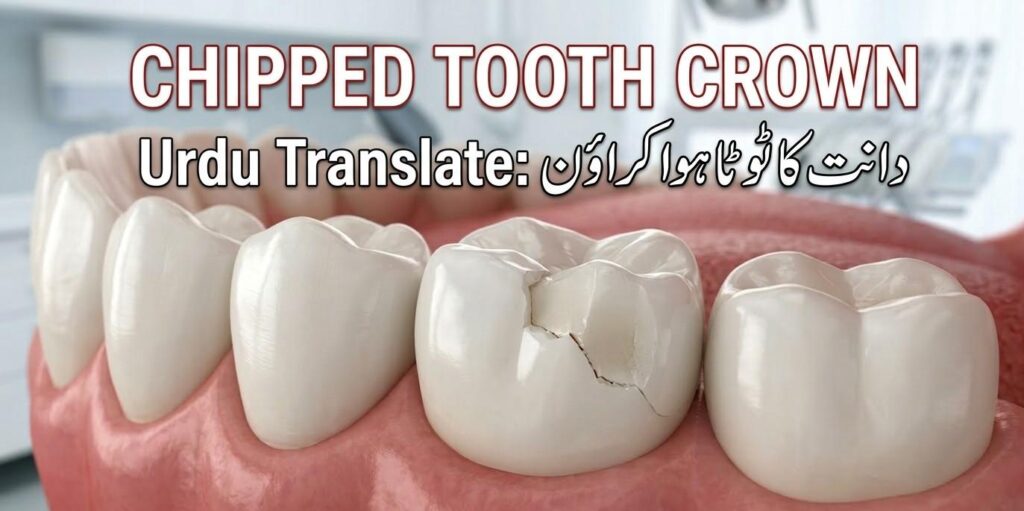
Chipped Tooth Crown: Expert Repair Guide 2026
A chipped tooth crown can be alarming, especially if it suddenly affects how your tooth looks or feels while chewing. Dental crowns are designed to protect and strengthen damaged teeth, but they are not indestructible. Biting hard foods, accidental trauma, or normal wear can sometimes cause a crown to chip.
For many patients, the first concern is whether the crown needs replacement or if the damage can simply be repaired. The good news is that dentists have several effective solutions depending on the severity of the chip.
In clinical practice, dentists commonly observe that small crown chips are manageable and rarely require emergency treatment. However, larger damage may expose the underlying tooth or compromise the crown’s function.
Understanding the causes, warning signs, and treatment options for a chipped crown can help you make the right decision quickly and protect your long-term dental health.
Key Takeaways
- A chipped tooth crown usually happens from biting hard foods or trauma.
- Minor chips may be smoothed or repaired by a dentist.
- Larger cracks often require crown replacement.
- Ignoring damage can lead to bacteria entering the tooth.
- A dental visit is recommended to prevent complications.
What Causes a Chipped Tooth Crown?
A chipped crown usually results from physical stress on the dental restoration.
Dentists commonly observe the following causes:
1. Biting Hard Foods
Hard foods place pressure on the crown surface.
Common examples include:
- Ice
- Hard candy
- Nuts
- Unpopped popcorn kernels
2. Accidental Trauma
Sports injuries, falls, or sudden impact to the mouth can damage dental crowns.
3. Teeth Grinding (Bruxism)
Chronic grinding slowly weakens crowns over time.
Patients with untreated bruxism often experience crown damage or fractures.
4. Normal Wear Over Time
Crowns can last 10–15 years, but gradual wear may eventually lead to small chips.
Symptoms to Watch For
A chipped crown may not always cause pain, but several signs can indicate damage.
Patients often report:
- A rough or sharp edge on the tooth
- Sensitivity to hot or cold foods
- Discomfort when biting
- Visible crack or missing porcelain
- Food getting stuck around the crown
Even minor symptoms should be evaluated by a dentist to prevent further damage.
When to See a Dentist
You should contact a dentist if a chipped crown:
- Feels sharp and irritates your tongue or cheek
- Causes tooth sensitivity
- Affects your bite
- Shows visible cracking
- Exposes the metal or tooth underneath
In clinical practice, dentists emphasize early repair because untreated damage may allow bacteria to reach the underlying tooth.
Professional Treatment Options
The appropriate treatment depends on how severe the chip is.
Dentists evaluate the crown structure and underlying tooth before recommending a solution.
| Treatment Option | Best For | Typical Outcome |
|---|---|---|
| Polishing or smoothing | Very small chips | Removes sharp edges |
| Dental bonding repair | Minor porcelain chips | Restores appearance |
| Crown reshaping | Small cosmetic damage | Improves comfort |
| Crown replacement | Large fractures | Full restoration |
Minor repairs are often completed in a single dental visit.
Cost of Repairing a Chipped Crown in the USA
The cost depends on the treatment required and dental insurance coverage.
Typical estimates include:
- Crown polishing: $50 – $150
- Bonding repair: $150 – $400
- New crown replacement: $900 – $1,500+
Dental insurance may cover part of the replacement cost if the crown is medically necessary.
Patients are encouraged to ask their dentist for a treatment estimate before proceeding.
Risks of Ignoring a Chipped Crown
Leaving a chipped crown untreated can create several dental problems.
Dentists commonly warn about:
- Bacteria entering under the crown
- Tooth decay forming underneath
- Crown fracture worsening over time
- Gum irritation around the damaged edge
In more severe cases, untreated damage may eventually require root canal therapy.
Home Care Until You See a Dentist
If you notice a chipped crown, temporary precautions can help protect the tooth.
Dentists often recommend:
- Avoid chewing on that side of your mouth
- Stay away from hard or sticky foods
- Use dental wax if the edge feels sharp
- Maintain good brushing and flossing habits
These steps are temporary and should not replace professional care.
Prevention Tips
Protecting your crown helps extend its lifespan.
Practical dental habits include:
- Avoid chewing ice or hard candy
- Wear a night guard if you grind your teeth
- Use a mouthguard during sports
- Visit your dentist for regular checkups
- Maintain good oral hygiene
Preventive care greatly reduces the chance of crown damage.
FAQ: Chipped Tooth Crown
Is a chipped crown considered a dental emergency?
Usually not. A small chip rarely requires emergency care unless it causes severe pain or exposes the underlying tooth. However, dentists recommend scheduling an appointment soon to prevent further damage.
Can a chipped crown be repaired instead of replaced?
Yes, minor chips can often be repaired with dental bonding or polishing. Dentists evaluate the crown’s strength before deciding whether repair or full replacement is the better option.
Does a chipped crown cause pain?
Many patients feel no pain at all. Pain usually occurs only if the chip exposes the tooth underneath or creates sensitivity when chewing or drinking hot or cold liquids.
How long can you wait with a chipped crown?
It is best to see a dentist within a few days. Waiting too long may allow bacteria to enter the tooth, which could lead to decay or infection under the crown.
Can you eat normally with a chipped crown?
Soft foods are generally safe. Avoid chewing hard foods on the affected tooth until a dentist evaluates the crown and confirms it is stable.
Conclusion
A chipped tooth crown is a relatively common dental issue that can occur from biting hard foods, trauma, or natural wear. While minor chips are often easy to repair, larger fractures may require replacing the crown to fully restore the tooth.
Dentists consistently recommend early evaluation because untreated crown damage can expose the underlying tooth and increase the risk of decay or infection. Fortunately, modern dental techniques allow most crown repairs to be completed quickly and comfortably.
If you notice rough edges, sensitivity, or visible damage, scheduling a dental visit is the safest step. Prompt care helps preserve your crown, protect the natural tooth underneath, and maintain a healthy, confident smile.
Internal Link Suggestions
- how to stop tooth nerve pain
- signs you need a root canal
- tooth infection symptoms guide
External Reference Suggestions
- American Dental Association (ADA)
- CDC Oral Health page