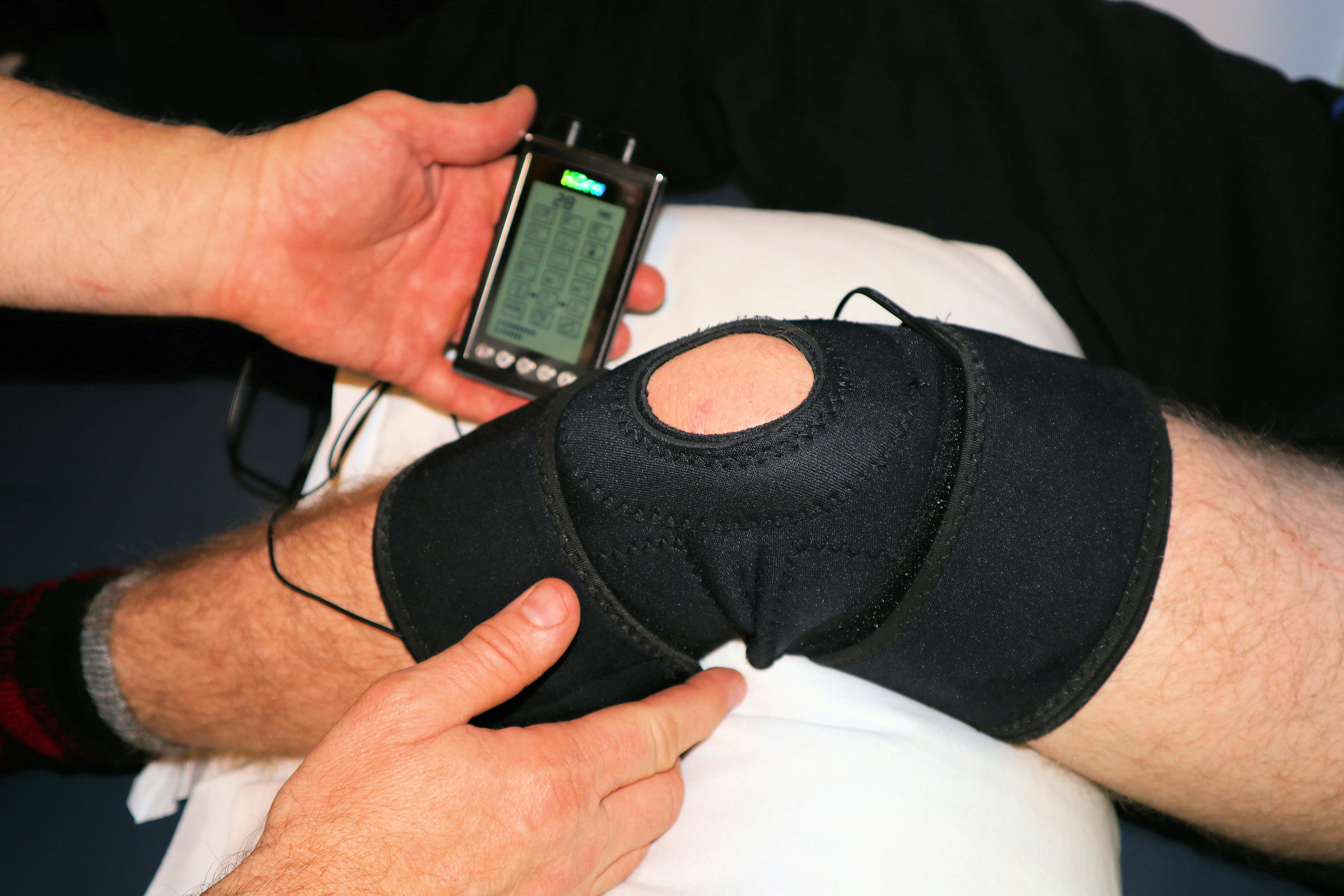
Introduction to Pulsierende Signal Therapie
Pulsierende Signal Therapie (PST) is an innovative therapeutic approach designed to address conditions such as osteoarthritis and chronic joint pain. Developed through extensive research into the mechanisms of pain and inflammation, PST harnesses the power of pulsed electromagnetic fields to stimulate natural healing processes within the body. By generating a series of targeted signals, this non-invasive therapy is believed to promote cellular regeneration, reduce inflammation, and alleviate pain.
The concept of PST stems from a combination of advanced technology and a deep understanding of biologic responses to electromagnetic stimulation. Initially explored in the context of sports medicine, the applicability of this technique has broadened significantly. As studies have demonstrated its effectiveness, health professionals have increasingly embraced PST as a viable treatment option in clinical settings, leading to its growing popularity in therapy clinics worldwide.
What sets PST apart from other treatment modalities is its non-invasive nature, making it an appealing choice for patients seeking relief from joint pain without surgical intervention or dependency on pharmaceuticals. The procedure typically involves placing electromagnetic coils near the affected area, where they emit defined frequencies. Patients can undergo treatment in a comfortable setting, often reporting minimal to no discomfort during the sessions.
The importance of PST in the field of pain management cannot be understated. As the global population grapples with the increasing prevalence of osteoarthritis and other chronic pain conditions, PST offers a promising alternative that aligns with holistic health principles. With continued research and advancements in this field, PST stands poised to revolutionize traditional treatment approaches, offering hope and improved quality of life for those suffering from persistent joint pain.
Understanding Osteoarthritis and Chronic Joint Pain
Osteoarthritis (OA) is the most prevalent form of arthritis, characterized by the deterioration of cartilage, the tissue that cushions the joints. This degenerative joint condition primarily affects weight-bearing joints, such as the knees, hips, and spine, leading to pain, stiffness, and a reduction in mobility. Chronic joint pain often accompanies OA, creating a cycle of discomfort that severely disrupts daily routines and the quality of life for many individuals.
Several factors contribute to the development of osteoarthritis. Age is a primary risk factor, as the likelihood of developing OA increases with advancing years. Obesity also significantly elevates the risk, as excess body weight places additional stress on joints. Genetic predisposition, previous joint injuries, and certain occupations that involve repetitive stress on joints can further influence the onset of this debilitating condition.
The symptoms of osteoarthritis generally manifest gradually and may include joint pain during or after movement, tenderness when pressure is applied to the joint, and a decreased range of motion. Furthermore, individuals may experience swelling, creaking, or grinding sensations within the affected joint, leading to increased difficulties in engaging in everyday activities.
Current treatment options for osteoarthritis and chronic joint pain include a combination of lifestyle modifications, physical therapy, medications, and, in more severe cases, surgical interventions. Common medications such as nonsteroidal anti-inflammatory drugs (NSAIDs) provide temporary relief, yet they often fail to address the underlying issues and may incorporate side effects with long-term use. Physical therapy can aid in improving function and reducing pain, yet it may require significant time and commitment from the patient. Conversely, surgical options, such as joint replacement, come with their own risks and limitations.
In essence, while existing treatments offer some relief for osteoarthritis and chronic joint pain, their limitations highlight the need for innovative approaches to improve patient outcomes and restore joint functionality.
The Science Behind Pulsierende Signal Therapie
Pulsierende Signal Therapie (PST) has emerged as a groundbreaking treatment modality for individuals suffering from osteoarthritis and chronic joint pain. This innovative therapy operates at the cellular level, leveraging specific signal frequencies that interact with biological tissues to foster healing and regeneration. At the heart of PST is its ability to trigger cellular processes that restore cartilage health, which is particularly beneficial for those with compromised joint function.
The biological mechanisms underlying PST primarily involve the stimulation of cellular activity in damaged tissues. When the pulsating signals are applied, they facilitate increased circulation and biochemical activity within the targeted area. Studies have indicated that these signals activate fibroblasts and chondrocytes—cells crucial for the synthesis and maintenance of the extracellular matrix, which provides structural support to cartilage.
Research has demonstrated that PST enhances tissue repair by promoting the production of collagen and proteoglycans, essential components for healthy cartilage. A clinical trial published in a leading journal revealed that participants receiving PST showed significant improvements in pain reduction and joint mobility compared to a control group. Furthermore, imaging techniques such as MRI have illustrated notable cartilage regeneration in patients who underwent this therapy over a specific duration.
In addition to clinical validation, laboratory studies have further elucidated how PST impacts the molecular pathways associated with inflammation and healing. The therapy appears to modulate cytokine levels, reducing pro-inflammatory markers and thereby creating a conducive environment for healing. Collectively, these findings suggest that Pulsierende Signal Therapie not only alleviates symptoms of osteoarthritis but also addresses the underlying degeneration of joint tissues, paving the way for improved quality of life for affected individuals.
Benefits of Using Pulsierende Signal Therapie
Pulsierende Signal Therapie is emerging as a cutting-edge treatment option for individuals suffering from osteoarthritis and chronic joint pain. This non-invasive therapy leverages low-frequency electromagnetic signals to promote healing and significantly alleviate pain.
One of the primary advantages of pulsierende Signal Therapie is its effectiveness in pain reduction. Many patients report a noticeable decrease in discomfort soon after commencing treatment. This method targets inflammation and promotes blood circulation, facilitating a natural healing response in the affected joints. As a result, reducing pain not only enhances mobility but also improves the overall quality of life for patients.
Improved joint function is another critical benefit associated with pulsierende Signal Therapie. Patients often experience an increase in range of motion due to the decrease in stiffness and discomfort. This improvement enables individuals to engage in daily activities and physical exercises that they might have avoided previously. The ability to participate in such activities further contributes to long-term joint health and reduces the risk of disability associated with chronic conditions.
Patient satisfaction rates are noteworthy for those undergoing pulsierende Signal Therapie. Testimonies from numerous individuals highlight transformative experiences. One patient, who struggled with severe osteoarthritis for several years, expressed gratitude for the relief offered by this innovative therapy, stating, “I regained the freedom to move without pain, something I thought I had lost forever.” This sentiment is echoed by many, illustrating the positive impact the therapy has on mental and emotional well-being, in addition to physical improvements.
In essence, the application of pulsierende Signal Therapie presents a promising avenue for managing osteoarthritis and chronic joint pain, encompassing pain relief, enhanced joint functionality, and an overall increase in patient satisfaction.
The Procedure: What to Expect During Treatment
Pulsierende Signal Therapie has emerged as a promising option for individuals suffering from osteoarthritis and chronic joint pain. The treatment process typically begins with an initial consultation, where a healthcare professional will assess the patient’s medical history and conduct a thorough examination of the afflicted joints. This step is crucial in customizing the therapy according to the patient’s unique needs.
Following the assessment, the patient will proceed to the actual treatment session. During the procedure, the patient is comfortably positioned, and the therapist will apply a specialized machine that generates pulsating signals. These signals penetrate the tissues, stimulating circulation and promoting healing within the affected joints. Most patients report feeling a gentle tingling sensation during the therapy, which is generally well-tolerated.
The duration of each treatment session usually ranges from 30 to 60 minutes, depending on the severity of the condition and the areas being treated. After the session, patients may experience mild soreness in the area, akin to the feeling after exercise. This is a normal response to the therapy and generally subsides within a short period. It is often advised that patients hydrate adequately following their treatment to support the healing process.
For optimal results, a series of sessions is typically recommended, with the number of treatments varying based on individual needs, ranging from 6 to 12 sessions. Regular follow-ups with the therapist can also help in monitoring progress and adjusting the treatment plan as necessary. Many patients begin to notice improvements in pain and mobility after several sessions, highlighting the therapeutic benefits of pulsierende Signal Therapie in managing chronic joint pain.
Comparative Analysis: PST vs. Traditional Treatments
The treatment landscape for osteoarthritis and chronic joint pain has evolved significantly, offering a range of options from traditional methods to innovative therapies like Pulsierende Signal Therapie (PST). Understanding the advantages and disadvantages of these approaches can help patients make informed decisions regarding their pain management.
Traditional treatment modalities often include medications, physical therapy, and surgical interventions. Over-the-counter pain relievers such as acetaminophen and nonsteroidal anti-inflammatory drugs (NSAIDs) are commonly prescribed to manage symptoms. While these can provide immediate relief, long-term use may lead to adverse side effects such as gastrointestinal issues or dependence. Physical therapy, involving tailored exercises and manual techniques, aims to improve joint function and alleviate pain. However, the efficacy can vary significantly between individuals, and the need for consistent engagement can be challenging for many patients.
On the other hand, surgical options such as arthroscopy or joint replacement can offer significant relief for those with advanced osteoarthritis. While these procedures can lead to improved mobility and pain reduction, they entail risks related to anesthesia, infection, and prolonged recovery times.
Pulsierende Signal Therapie presents a compelling alternative, employing electromagnetic signals to promote tissue regeneration and pain relief. Unlike traditional treatments, PST is non-invasive and boasts a favorable safety profile with minimal side effects. Initial studies indicate its potential effectiveness in reducing inflammation and improving joint function, which may appeal to patients seeking less invasive options.
Nevertheless, PST lacks the extensive clinical research backing that more established treatments possess. It is essential for patients to consult healthcare providers to weigh the benefits and drawbacks of each approach. Ultimately, the best treatment plan is often a tailored combination of therapies that addresses the unique needs of the individual.
Case Studies and Real-World Applications
Pulsierende Signal Therapie has garnered attention for its innovative approach to treating osteoarthritis and chronic joint pain. Several case studies illustrate the effectiveness of this therapy in diverse patient populations. One notable case involved a 65-year-old female with osteoarthritis in her knees. Despite having faced chronic pain for over five years, her treatment journey began with a series of pulsierende Signal therapy sessions. Over the course of eight weeks, she reported a significant reduction in pain levels, which enabled her to resume daily activities and engage in low-impact exercise. This case underscores the potential of pulsierende Signal therapy to enhance mobility and improve quality of life.
Another study focused on a 50-year-old male who had suffered from chronic wrist pain as a result of repetitive strain injury. After traditional treatments failed to deliver satisfactory results, he was referred for pulsierende Signal therapy. His treatment protocol included targeted application of the therapy at the affected joint, integrated with physiotherapy sessions. Remarkably, within six weeks, he experienced a marked decrease in pain and increased strength, allowing him to return to work and participate in recreational sports with family.
In a different scenario, a 40-year-old woman diagnosed with rheumatoid arthritis was enrolled in a clinical program utilizing pulsierende Signal therapy. Faced with debilitating joint pain that limited her daily functions, she underwent treatment alongside conventional medication. Over three months, she noted an improvement not only in pain management but also in her overall emotional well-being. These real-world applications highlight the versatility of pulsierende Signal therapy, demonstrating its efficacy across different demographics and varying contexts of joint pain conditions.
Potential Risks and Considerations
Pulsierende Signal Therapie, while promising in the treatment of osteoarthritis and chronic joint pain, is not without its potential risks and considerations. Like any medical intervention, it is essential to be aware of the complexities involved in this therapy. Although many individuals report positive outcomes, side effects may occur, and they can range from mild discomfort to more severe reactions. Some patients might experience skin irritation or mild pain where the device is applied, although such instances are typically short-lived.
Rarely, there may be more significant complications, particularly for patients with certain pre-existing conditions. Individuals with pacemakers, for example, should approach pulsierende Signal Therapie with caution. The electromagnetic signals produced during treatment can interfere with these devices, potentially leading to adverse medical situations. Furthermore, those with underlying health issues may not respond to this therapy as favorably, underscoring the necessity for tailored treatment plans.
Before commencing any form of pulsierende Signal Therapie, it is crucial for patients to consult healthcare providers. Professionals knowledgeable about the patient’s medical history can provide tailored advice, ensuring that the treatment aligns well with individual health circumstances. By evaluating the specific needs and circumstances of each patient, healthcare providers can develop personalized treatment strategies. This approach not only enhances the effectiveness of therapy but also minimizes risks.
In conclusion, understanding the potential risks and the importance of personalized medical guidance is vital for anyone considering this innovative therapy for joint pain management. Individuals should prioritize thorough consultations with healthcare providers to safeguard their health while exploring alternatives for osteoarthritis treatment.
Conclusion: The Future of Osteoarthritis Treatment
As we navigate the complexities of osteoarthritis and chronic joint pain, it becomes increasingly clear that innovative therapies such as pulsierende signal therapie are poised to redefine treatment paradigms. This cutting-edge technology harnesses the body’s natural healing mechanisms, offering a non-invasive solution that appeals to a growing demographic of patients seeking alternatives to traditional pharmacological interventions. Unlike conventional modalities, pulsierende signal therapie targets pain at its source, promoting regeneration and significantly improving quality of life.
The key insights discussed throughout the article highlight the significance of this therapy not just as an adjunct treatment option but as a potential game changer in the management of osteoarthritis. The ability to alleviate pain and enhance mobility without the associated risks of surgery or long-term medication use is a tremendous advantage. The preliminary research and user testimonials point towards its efficacy, making a compelling case for further exploration in clinical settings.
Moreover, for medical practitioners and researchers, the encouragement to investigate pulsierende signal therapie further aligns with the broader pursuit of holistic and integrated approaches to health care. The potential for comprehensive treatment strategies that include such therapies could lead to significantly improved outcomes for patients suffering from chronic joint pain. As awareness spreads, it is vital that the medical community embraces this therapeutic modality, paving the way for a paradigm shift that prioritizes patient-centred care and evidence-based practice.
In conclusion, pulsierende signal therapie represents not only an emerging treatment for osteoarthritis but also a pivotal development in the approach to chronic pain management. Continued research and acceptance in the medical community will be essential in establishing its place within modern therapeutic frameworks.